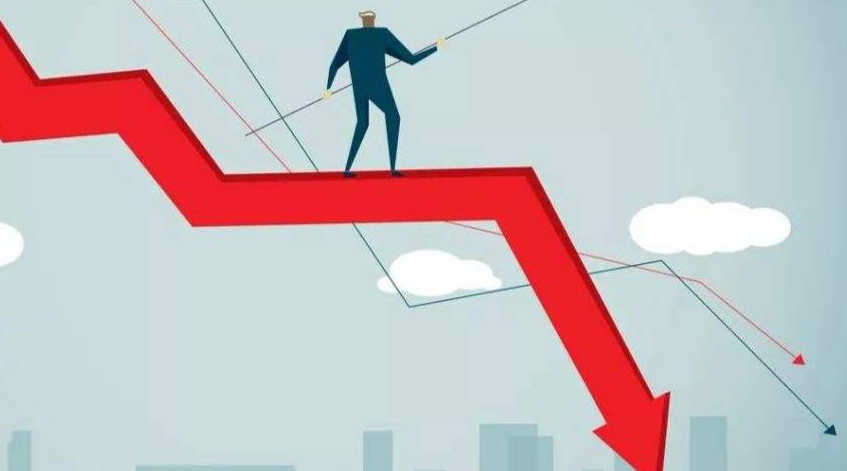
Let's cut to the chase. The "AI bubble pop meaning" isn't just an academic question for economists. If you have money in tech stocks, AI ETFs, or you're thinking about jumping in, it's a question that could directly impact your financial future. In simple terms, it refers to a sudden, sharp decline in the valuations of companies centered on artificial intelligence, after a period of hype-driven overinflation. Think of it like a balloon stretched too far. The pop is when reality hits and prices crash back down to earth.
This isn't speculation. We've seen this movie before with the dot-com bubble. The signs are starting to flicker on the dashboard. My goal here isn't to scare you, but to equip you. After two decades watching tech cycles, I've learned that the real danger isn't the pop itself, but being caught unprepared, believing "this time is different." Often, it's not.
What You'll Learn in This Guide
What Exactly Does an "AI Bubble Pop" Mean?
At its core, an AI bubble pop is a market correction. It's the moment when investor sentiment shifts from irrational exuberance to sober reality. For years, money has poured into anything with "AI" in its name or business plan. Valuations have been based more on futuristic potential than current profits, users, or even viable products.
The pop happens when a trigger event—maybe a flagship company missing earnings, a major product failure, or a broader economic downturn—forces everyone to look at the actual numbers. Suddenly, companies burning cash with no clear path to profitability aren't seen as visionary; they're seen as risky. Funding dries up. Stock prices plummet. Weak companies fail. Stronger ones see their valuations cut in half or more.
It's crucial to separate the pop from normal market volatility. A 10% dip isn't a bubble pop. A sector-wide collapse of 50% or more, coupled with a fundamental reassessment of business models, is. The pop isn't the end of AI—far from it. It's a painful, necessary pruning that separates sustainable innovation from pure speculation.
A key point most miss: The bubble isn't in AI technology itself, which is genuinely transformative. The bubble is in the financial valuations and investor expectations attached to that technology. Confusing the two is a classic, expensive mistake.
Spotting the Warning Signs: Is This 1999 All Over Again?
You don't need a crystal ball. Bubbles leave footprints. Here’s a side-by-side look at healthy growth versus bubble territory. It’s not about any single sign, but a cluster of them.
| Healthy AI Market Growth | Potential Bubble Warning Signs |
|---|---|
| Revenue-Driven Valuations: Stock prices loosely correlate with sales, profits, or clear user growth metrics. | Narrative-Driven Valuations: Soaring prices based on TAM (Total Addressable Market) slideshows, founder charisma, or hype cycles, with little revenue to show. |
| Sustainable Burn: Startups have 18-24 months of runway with a plan to reach key milestones (e.g., product launch, profitability). | "Growth at All Costs": Massive, unchecked cash burn with no concern for unit economics. The motto is "scale now, profit later" without a believable "later" plan. |
| Differentiated Products: Companies solve real, specific problems with technology that has a clear moat or advantage. | "Me-Too" Products: A flood of startups with nearly identical offerings (e.g., dozens of AI writing tools, image generators) competing only on marketing. |
| Institutional Caution: Venture capitalists and fund managers ask tough questions about business models and paths to profitability. | Fear Of Missing Out (FOMO): Money chases deals indiscriminately. Stories abound of VCs writing checks after one meeting, or public investors buying any stock with "AI" in the ticker. |
| Measured Media Hype: Balanced reporting that covers both breakthroughs and limitations. | Uncritical Hype Cycle: Mainstream media and social platforms proclaim AI will solve every human problem imminently, dismissing skeptics as Luddites. |
Look around right now. How many of those signs on the right do you see? I remember talking to a founder in 2021 whose company had $200k in annual revenue but was valued at over $80 million based on an AI-powered SaaS idea. When I asked about their customer acquisition cost, they shrugged. That's a red flag waving in a hurricane.
The Role of Public Markets and ETFs
Here's a subtle but critical mechanism. The rise of thematic AI ETFs (Exchange-Traded Funds) has accelerated the bubble. These funds automatically buy baskets of AI-related stocks. When money flows into the ETF, it buys all those stocks equally, pumping up valuations across the board—even for weaker companies. It creates an artificial tide lifting all boats. When sentiment reverses and money flows out, the tide goes out just as fast, exposing who's been swimming naked. It's a systemic amplifier of both hype and panic.
Lessons from History: Dot-Com Crash vs. AI Hype
History doesn't repeat, but it often rhymes. The dot-com bubble of the late 1990s is the clearest parallel.
The Dot-Com Playbook: Companies like Pets.com or Webvan spent fortunes on Super Bowl ads to acquire customers at a massive loss, believing market share was everything. Their stock prices were untethered from reality. When the Federal Reserve raised interest rates in 1999-2000, cheap capital dried up. The NASDAQ composite, heavy with tech stocks, fell nearly 80% from its peak. It wiped out trillions in wealth.
How AI is Different (and the Same): The core technology is more substantive. Cloud computing, vast data sets, and improved algorithms give AI real utility. You can actually use ChatGPT or Midjourney. In the 90s, many companies were just a ".com" slapped on a traditional business.
How it's the Same: The financial mania is identical. The belief that "all you need is an AI model and the money will follow" mirrors the "build it and they will come" fallacy of the 90s. The flood of undifferentiated startups is the same. The reliance on continuous, easy funding to sustain unprofitable models is exactly the same. A report from Gartner places generative AI at the "Peak of Inflated Expectations" on its famous hype cycle—a classic pre-bubble position.
The trigger will likely be similar too: a shift in the cost of capital. As interest rates remain higher for longer, the pressure on profitless companies intensifies month by month.
Who Gets Hurt? The Impact on Startups, Giants, and You
A bubble pop isn't a uniform disaster. It creates clear winners and losers.
Early-Stage Startups & VC-Backed Firms: They get hit hardest. Venture capital funding becomes scarce. Terms get harsh. The focus shifts overnight from growth to survival. Companies with 6 months of runway face impossible choices: drastic layoffs, fire sales, or shutdowns. Many of the flashy AI tools you use today could simply vanish.
Public Tech Giants (The Microsofts, Googles): They feel a massive stock price hit, but they survive and often thrive. They have huge cash reserves, profitable core businesses, and can acquire distressed AI talent and assets for pennies on the dollar after the pop. The 2000 crash is what allowed Amazon and Google to consolidate power. They become stronger.
Individual Investors & Employees: This is where it gets personal. If you're heavily invested in AI ETFs or speculative AI stocks, your portfolio could take a severe hit. If you work at an AI startup, your job and stock options could become worthless. The psychological toll is real—seeing paper gains evaporate creates panic selling, which deepens the crash.
The pop resets the playing field. It's brutal but efficient. It stops capital from being wasted on bad ideas and redirects it (painfully) to more sustainable ones.
Practical Steps to Protect Your Investment Portfolio
Okay, so what can you actually do? Panicking isn't a strategy. Here's a framework I've used myself.
First, Audit Your Exposure. How much of your net worth is in high-risk AI bets? Is it 5% or 50%? Log into your brokerage and ETF accounts. Look for thematic AI funds, direct stock in unprofitable AI companies, or even broad tech funds that are overweight on AI hype stocks. Know your number.
Second, Rebalance Ruthlessly. This is the hard part. If your AI allocation has grown beyond your risk tolerance (say, from a planned 10% to 30% due to price surges), sell some to bring it back down. Take profits off the table. Reinvest that into more defensive, diversified assets. It feels wrong to sell a winner, but that's exactly how you lock in gains before a downturn.
Third, Shift from Speculation to Infrastructure. Instead of betting on the latest AI app startup, consider the "picks and shovels" companies. Who sells the AI chips (like Nvidia, though even that is now hype-heavy)? Who provides the cloud infrastructure (Microsoft Azure, AWS)? Who owns the vast datasets? These businesses get paid regardless of which AI app wins or loses. Their risk is lower.
Fourth, Build a Cash Cushion. Having dry powder (cash) during a market crash is a superpower. When quality assets are sold off indiscriminately, you can buy them at a discount. A bubble pop is a crisis for the over-leveraged, but an opportunity for the prepared.
I made my best tech investments in the years after the 2000 and 2008 crashes, not at the peak. Patience is a strategy.
What Comes After the Pop? The Silver Lining
Let's end on a crucial, optimistic note. A bubble pop is not the end of AI. In fact, it's often the beginning of its mature, most productive phase.
The dot-com pop killed the hype but left behind the internet—a technology that then quietly rebuilt the global economy over the next decade. The same will happen with AI. After the pop, the focus shifts from flashy demos to real, boring, profitable applications. Engineers will stop chasing hype and start solving actual business problems with efficiency and cost savings.
Investment will flow to companies with real customers and real revenue. The technology will become cheaper and more accessible. The noise will fade, and the signal will emerge.
For an investor, the period after the pop is when you can finally identify the long-term winners without the distraction of market mania. Your job now is to get through the potential storm with your capital intact, so you're ready to invest in that genuine future.
Your AI Bubble Questions Answered
The bottom line on the AI bubble pop meaning is this: it's a probable market event rooted in cyclical human psychology, not a condemnation of the technology. By understanding the signs, learning from history, and preparing your finances, you can navigate the hype and position yourself for the real, lasting innovation that follows the storm.